
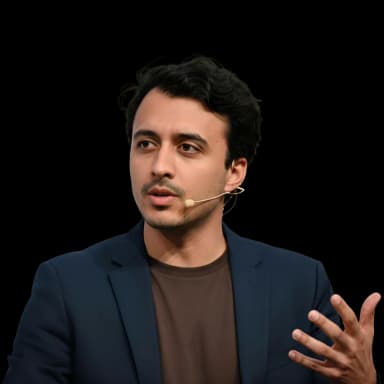
Abdul Samad
Founder
Researcher & Founder, PK
Developed career matchmaker, and models for marital satisfaction and divorce mitigation. Doesn't shy away from taboo topics.
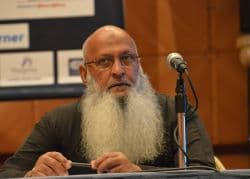
Professor Rassool has spent decades bringing Islamic principles into mental health care, psychotherapy, and counselling, and built the first university programs in Islamic psychology to teach it.
From the first assessment through the daily loop, including what happens on the days you slip.
A structured questionnaire maps the patterns you are dealing with and how severe they are. It also flags whether you should be working with a licensed therapist alongside the program.
Work the Islamized twelve steps across three phases: Awakening, Accounting, and Living. Daily tasks carry each step, and every completed task moves you closer to sustained recovery.
Map out your personal triggers and follow intervention protocols to help calm urges. Awareness becomes the first line of defence against relapse.
In case of urges, launch the Trigger Intervention Protocol for immediate, evidence-based coping actions tailored to your active triggers.
A slip resets nothing. Renew your intention, log what led there, and resume the step you were on. No counter goes back to zero and no milestone is taken away.
Three phases, Awakening, Accounting, and Living, carry you through the Islamized twelve steps. Each step carries a spiritual principle from the tradition.
Sticking with the program and completing daily tasks steadily increases that rate. The assessment and the emergency help button push it higher still.
The private beta opens on September 19.
Join the waitlist to be among the first to start the program.
We build P-Minus where clinical research and Islamic scholarship meet.
Founder
Researcher & Founder, PK
Developed career matchmaker, and models for marital satisfaction and divorce mitigation. Doesn't shy away from taboo topics.
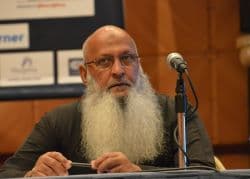
Advisor
Prof., Charles Sturt, AU
THE leading academic authority on addictions in Islamic Psychology. 34 books, 150 research papers.
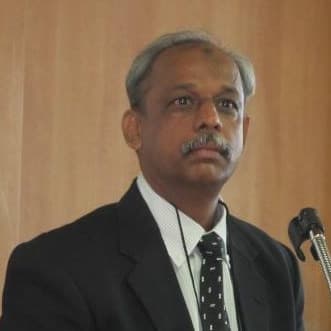
Advisor
HOD, Karachi Uni, PK
Academic expert on Modernity and Islamic Business Ethics.
Everything you might want to know about the P-Minus approach before you begin.
Not yet, or at least not comfortably. Right now the app is built around Islamic practice, and parts of it, like namaz, assume you pray as a Muslim. Nothing in it argues against other religions, and the core idea of turning to God for help is shared, but we have not done the work to support other faiths properly. We plan to change that. A later version will let you set your own tradition, swap in its prayers and practices, and connect you with a spiritual therapist from your own religion.
Faith healers are not spiritual therapists. Spiritual therapists are good-natured community faith leaders.
Join our private waitlist today to secure your place in the upcoming wave.
Hit a bug or something that felt wrong? Email [email protected] and a human reads it.